iQOO 13
256GB 12GB RAM

Introduction and specs
The iQOO 13 is one of the first Snapdragon 8 Elite-powered smartphones on the market, but that's not its biggest selling point. The handset is one of the most affordable solutions running Qualcomm's latest and greatest.
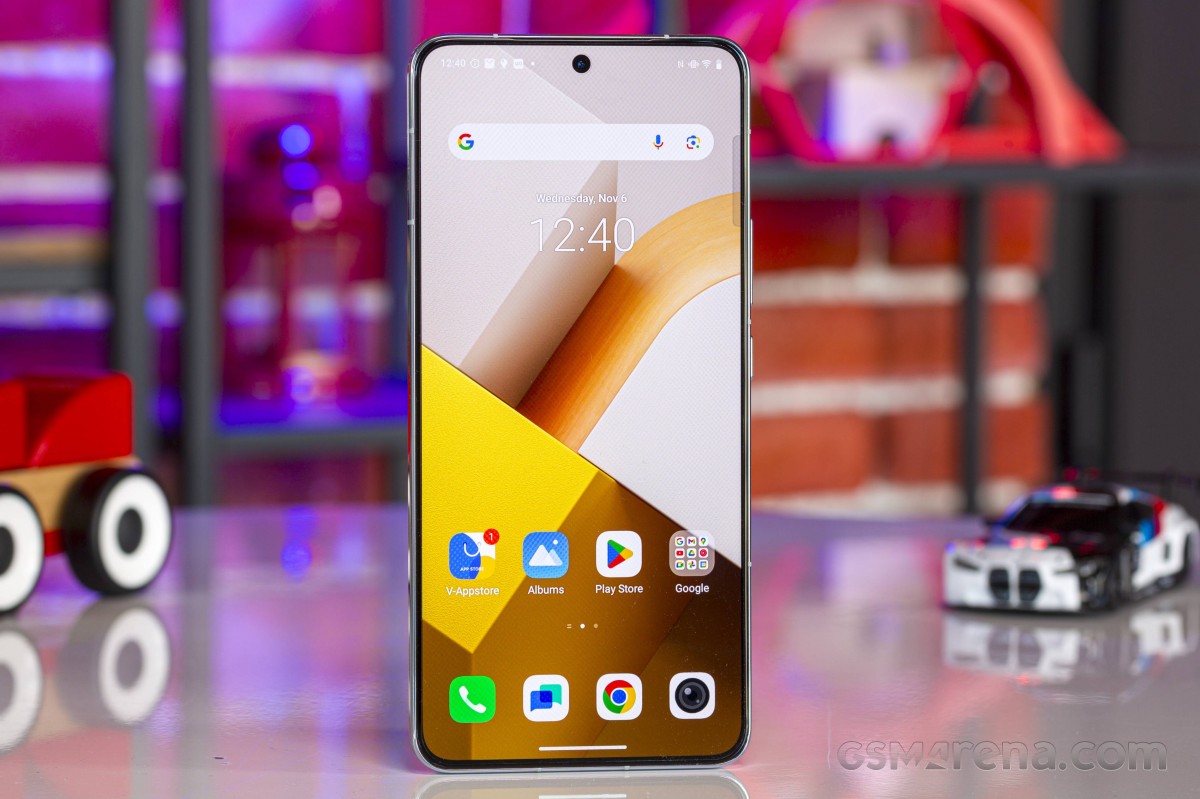
The device has already launched in China, and it's now making strides outside the country. In addition to the Snapdragon 8 Elite SoC, the iQOO 13 boasts impressive hardware - an LTPO OLED panel with 144Hz refresh rate, a potent set of three 50MP cameras on the back, a huge 6,000 mAh battery (6,150 mAh in regions outside of India), 120W fast charging and an ultrasonic fingerprint reader.
vivo iQOO 13 specs at a glance:
- Body: 163.4x76.7x8.0mm, 207g; Glass front (Schott Xensation Alpha), aluminum frame, glass back; IP68/IP69 dust/water resistant (up to 1.5m for 30 min), RGB LED light on the back.
- Display: 6.82" LTPO AMOLED, 1B colors, 144Hz, HDR10+, 1800 nits (HBM), 6500 nits (peak), 1440x3168px resolution, 19.8:9 aspect ratio, 510ppi.
- Chipset: Qualcomm SM8750-AB Snapdragon 8 Elite (3 nm): Octa-core (2x4.32 GHz Oryon V2 Phoenix L + 6x3.53 GHz Oryon V2 Phoenix M); Adreno 830.
- Memory: 256GB 12GB RAM, 256GB 16GB RAM, 512GB 12GB RAM, 512GB 16GB RAM, 1TB 16GB RAM; UFS 4.0 or UFS 4.1.
- OS/Software: Android 15, up to 4 major Android upgrades, Funtouch 15 (International), OriginOS 5 (China).
- Rear camera: Wide (main): 50 MP, f/1.9, 23mm, 1/1.56", PDAF, OIS; Telephoto: 50 MP, f/1.9, 46mm, 1/2.93", PDAF, OIS, 2x optical zoom; Ultra wide angle: 50 MP, f/2.0, 1/2.76", AF.
- Front camera: 32 MP, f/2.5, (wide).
- Video capture: Rear camera: 8K@30fps, 4K@24/30/60fps, 1080p@30/60/120/240fps, gyro-EIS; Front camera: 4K@30/60fps, 1080p@30/60fps.
- Battery: 6150mAh (International), 6,000 (India); 120W wired, PPS, 100% in 30 min (advertised).
- Connectivity: 5G; Dual SIM; Wi-Fi 7; BT 5.4, aptX HD, aptX Adaptive, LHDC 5; NFC; Infrared port.
- Misc: Fingerprint reader (under display, ultrasonic); stereo speakers.
The IQOO 13 is not just about performance. It shapes up to be a well-rounded smartphone at a very competitive price. Vivo's more budget-friendly sub-brand doesn't compromise on build quality either. The iQOO 13 ticks almost all flagship checkboxes, including long software support.
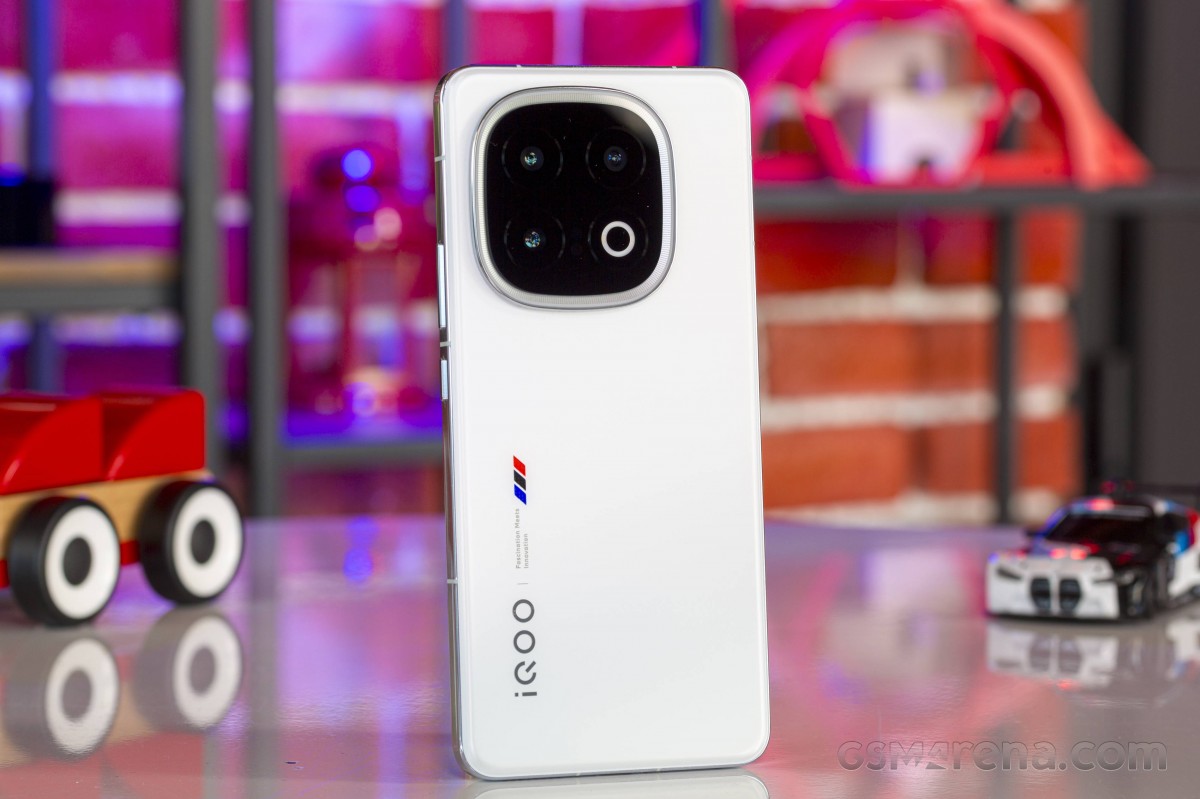
Still, the iQOO 13 isn't the only Snapdragon 8 Elite option on the market, so let's dive deeper to see if the 13 is worth the hype.
Too bad the handset's availability is limited to some markets, mostly Asian.
Unboxing the iQOO 13
It's refreshing to see the iQOO 13 comes with a full package - USB-C to USB-C cable for charging and data transfer and a 120W-capable charger.
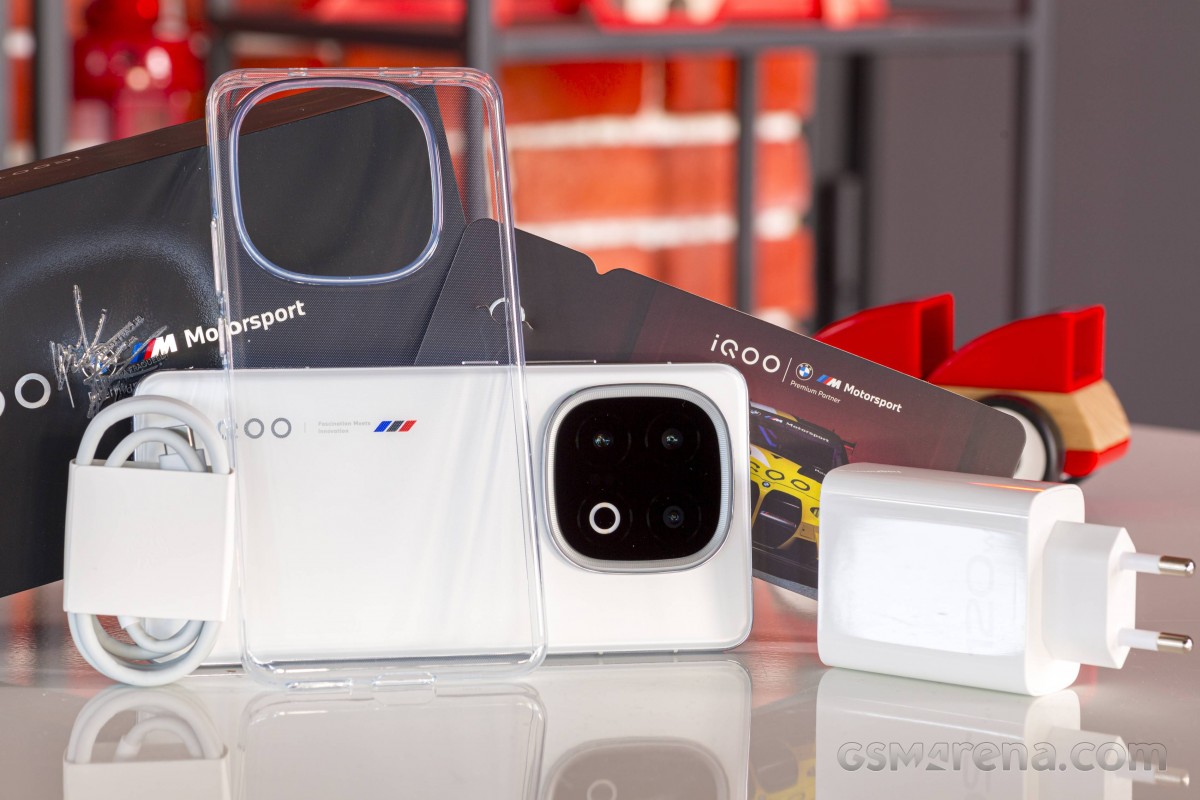
There's also a transparent silicone case for extra protection.
Design and handling
The iQOO 13 features almost the exact same design as its predecessor. The differences are negligible - the two have different camera arrangements but a similar camera island design.
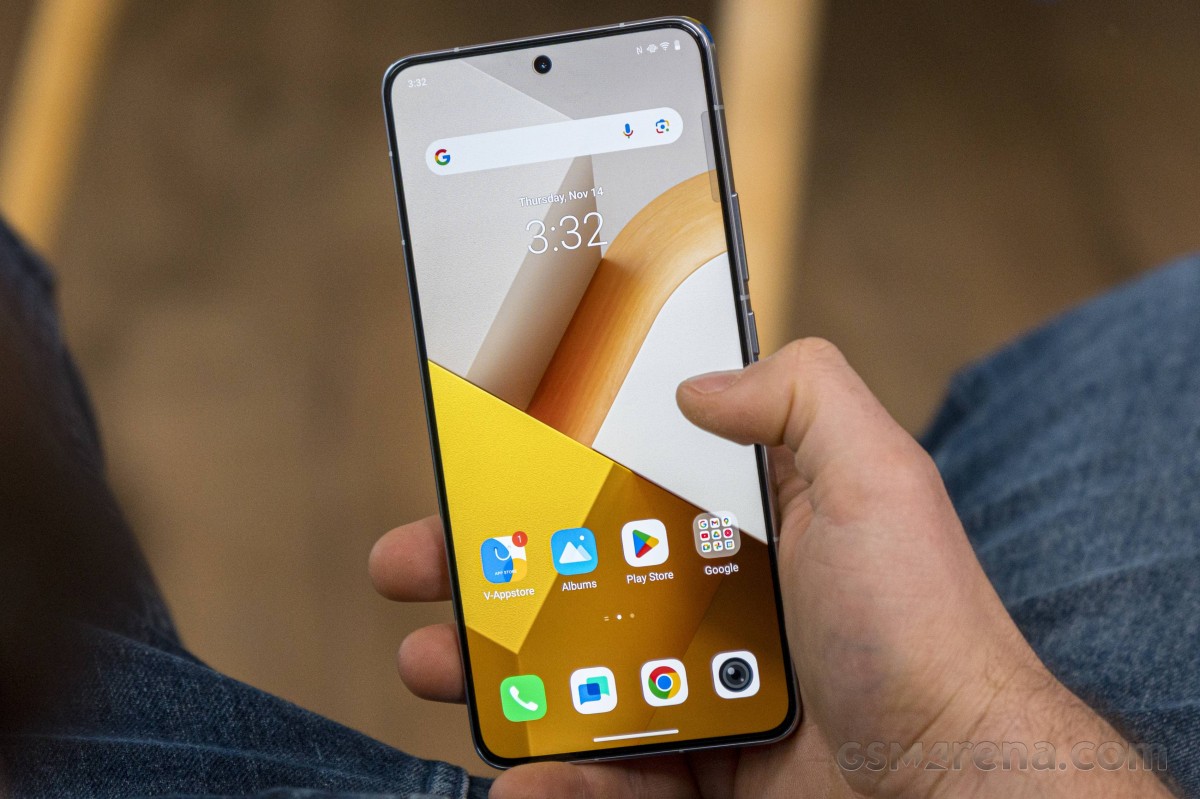
However, the newer iQOO takes things up a notch when it comes to ingress protection. From no IP rating on the iQOO 12 version to full IP68/IP69 on IQOO 13.
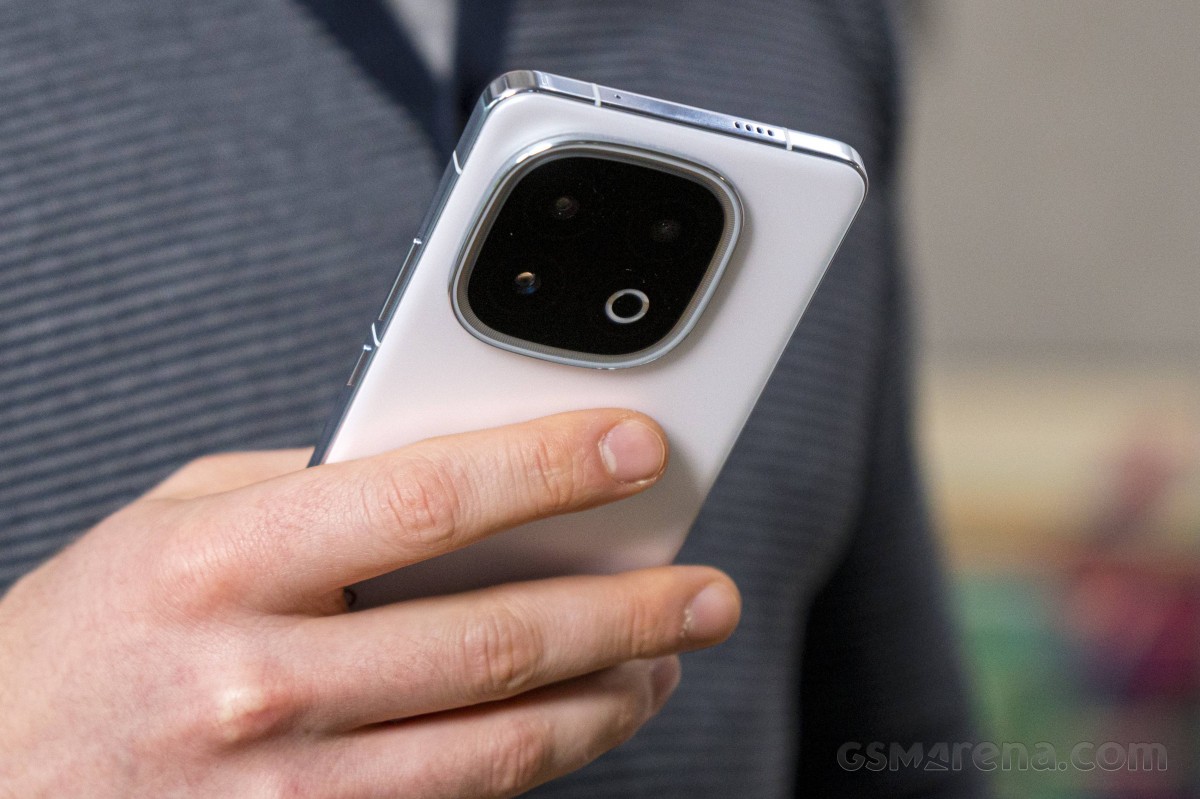
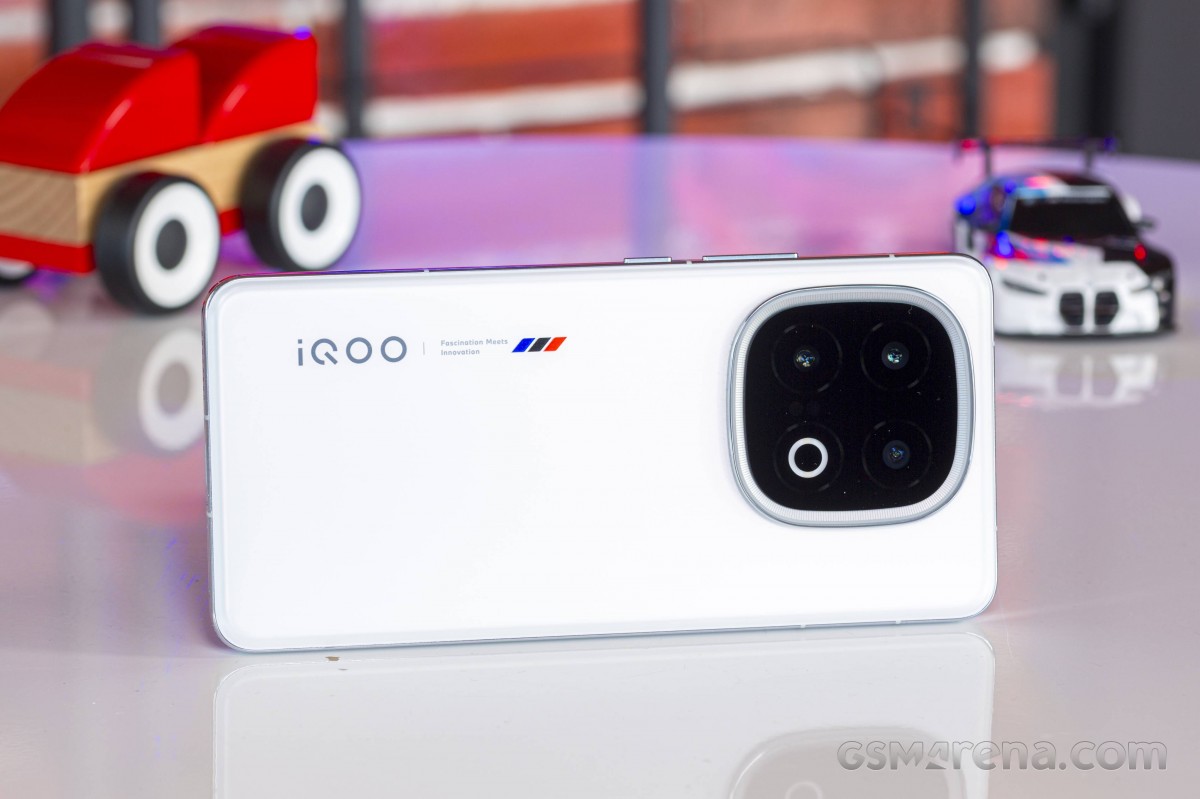
The iQOO 13 is still a glass sandwich type of phone with a glass front (Schott Xensation Alpha), glass back and aluminum side frame. The back features a matte, satin-like finish, while the side frame is glossy and flat.
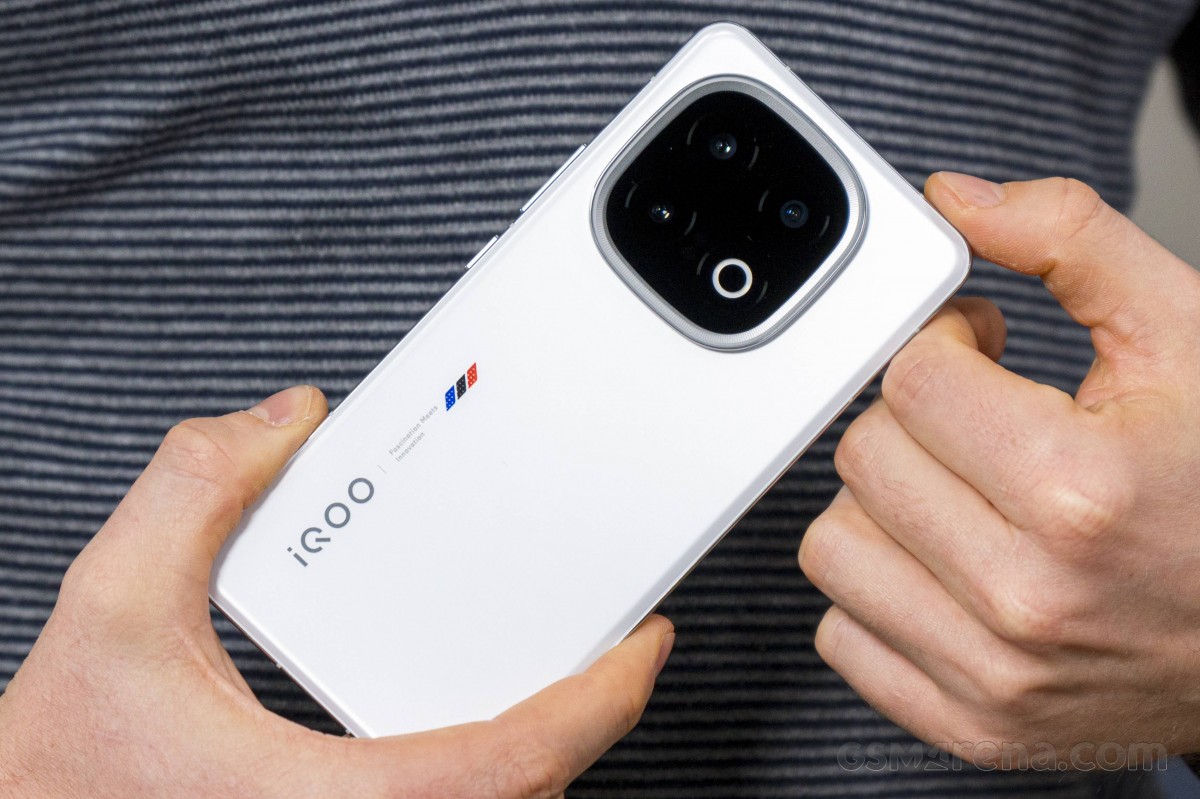
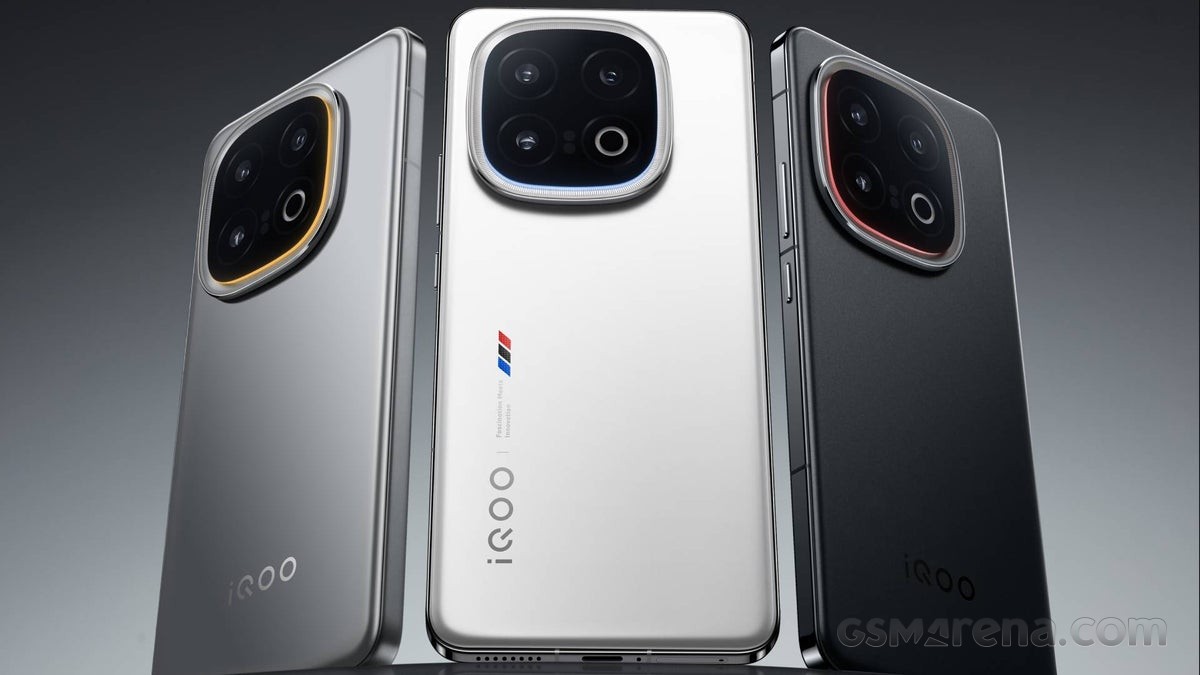
The device comes in three colorways - Alpha (black), Nardo Grey and Legend (white) with BMW M branding - the one we got here.
No matter how you hold it, it's a rather slippery device. The side frame provides a relatively secure grip due to its glossy nature, but the back is extremely smooth. At least the latter doesn't attract fingerprints, but we can't say the same about the side frame.
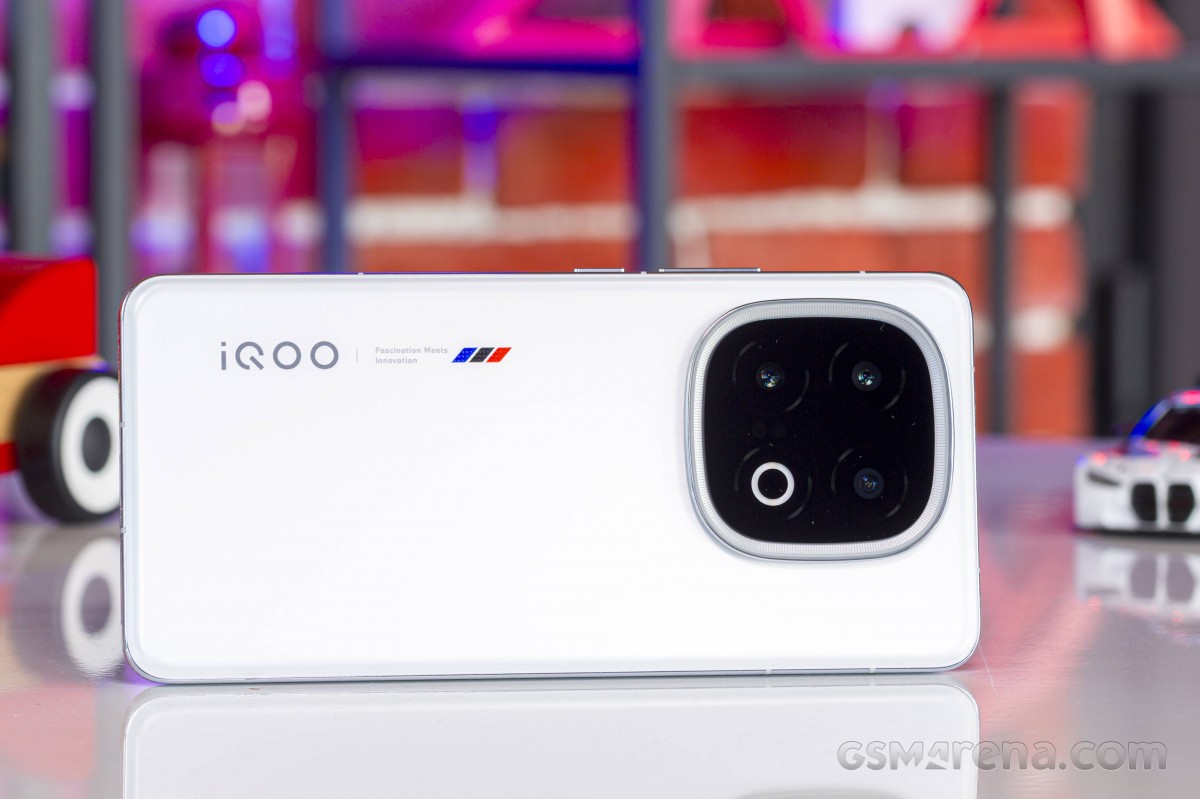
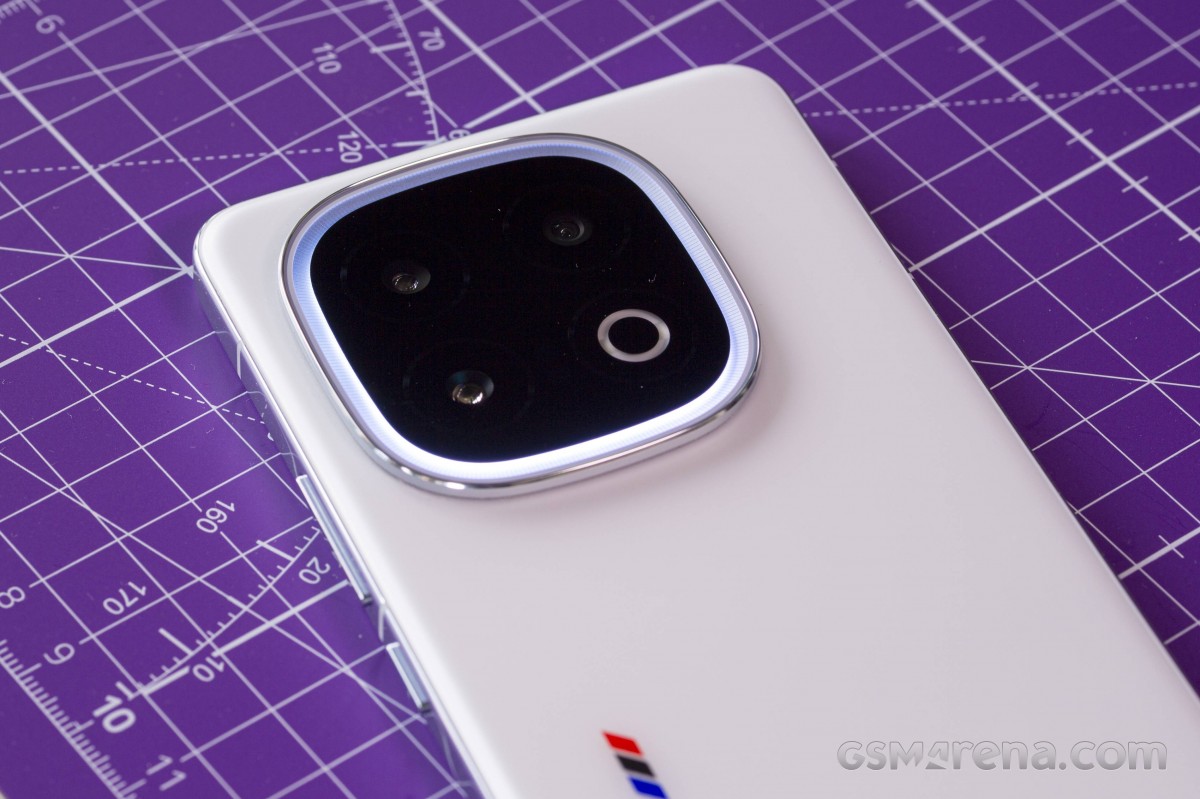
One quirky little feature is the camera bump. It's outlined by RGB LED lighting called Monster Halo. It lights up when turning on the handset or when charging. You also get real-time notifications for calls and messages.
Oh, and the IR blaster sits in the camera bump instead on the top part of the frame.
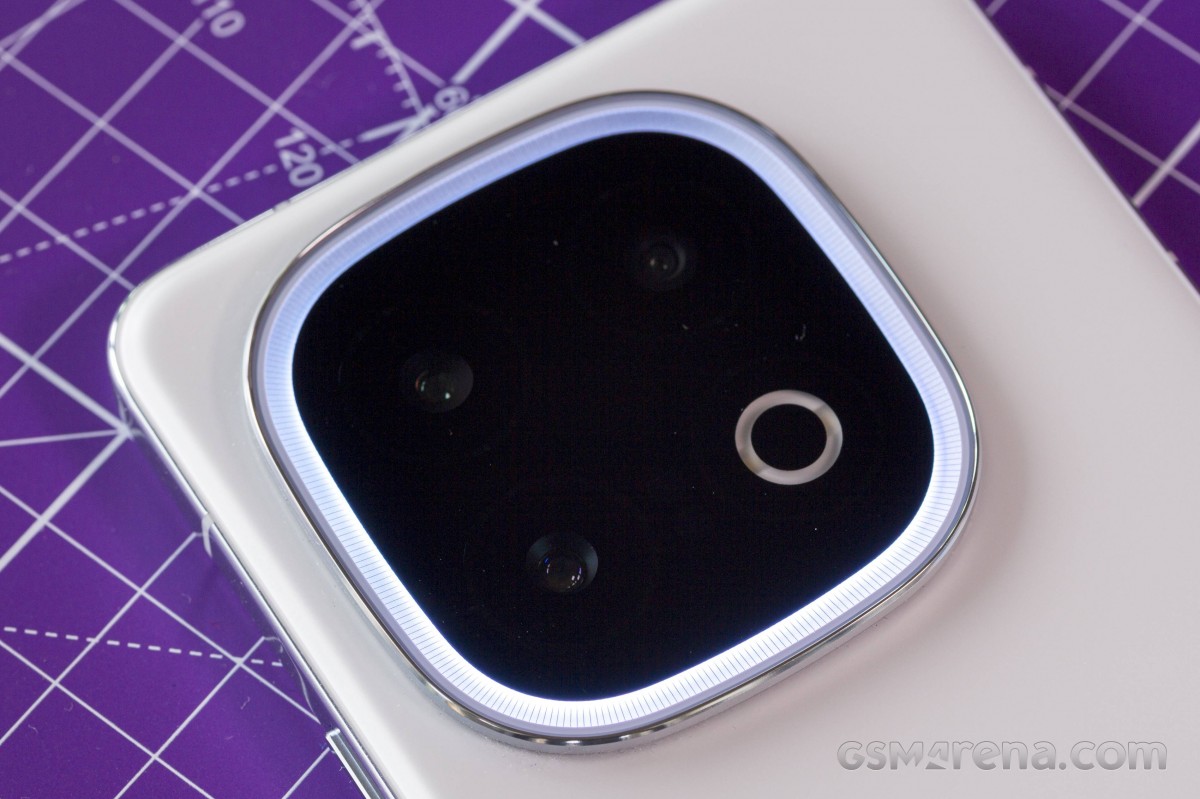
Notably, the device supports 360-degree NFC, which means you don't have to hold the phone in a certain way to make contactless payments, for example. The NFC works 360 degrees around the phone's chassis.




iQOO 13
The optical fingerprint reader from last year makes room for an ultrasonic one. In most cases, ultrasonic readers are faster and more consistent. The placement is pretty convenient too.
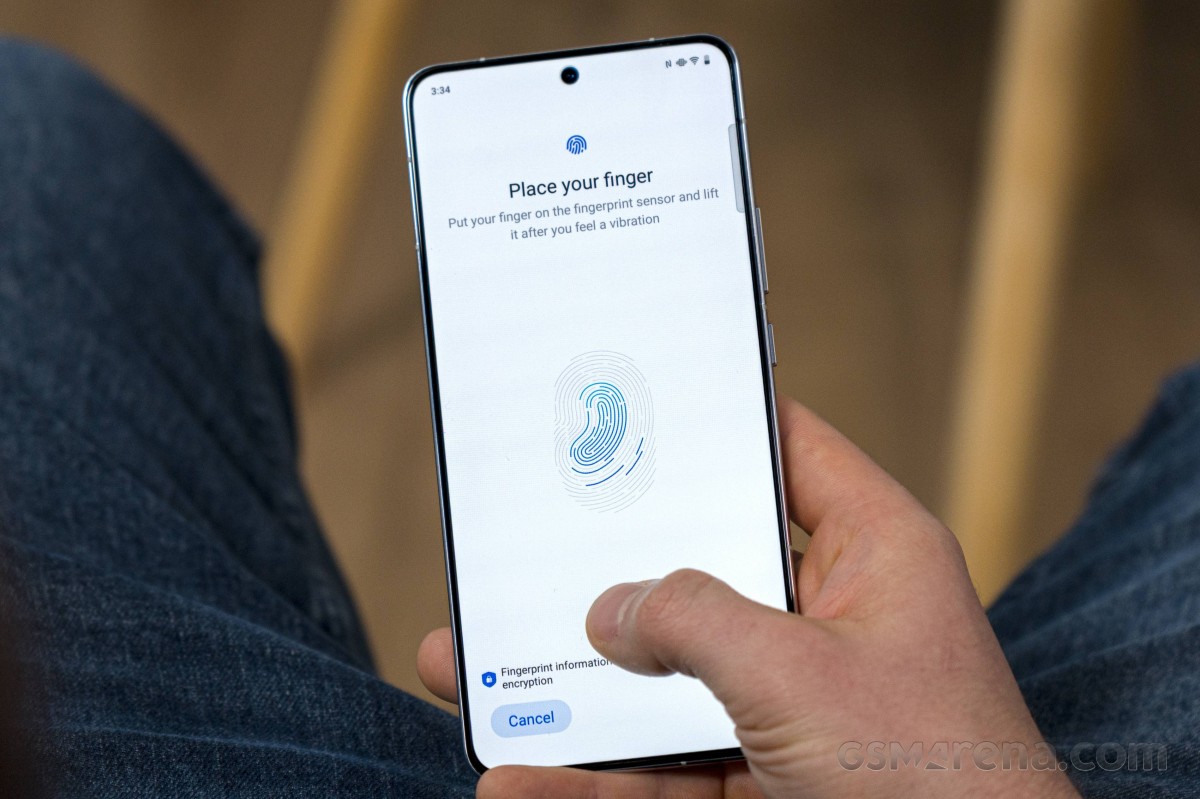
All in all, in favor of no design changes, iQOO focused their efforts on improving more practical aspects like the fingerprint reader, the NFC and the ingress protection.
6.82-inch LTPO OLED display
The iQOO 13's display has grown slightly and is now 6.82", up from 6.78" on the iQOO 12. It also has a higher resolution - 1,440 x 3,168px. The rest of the specs are mostly the same - 10-bit color depth, 144Hz refresh rate and HDR10+. We can confirm that it complies with HDR standards on popular streaming services like Netflix.
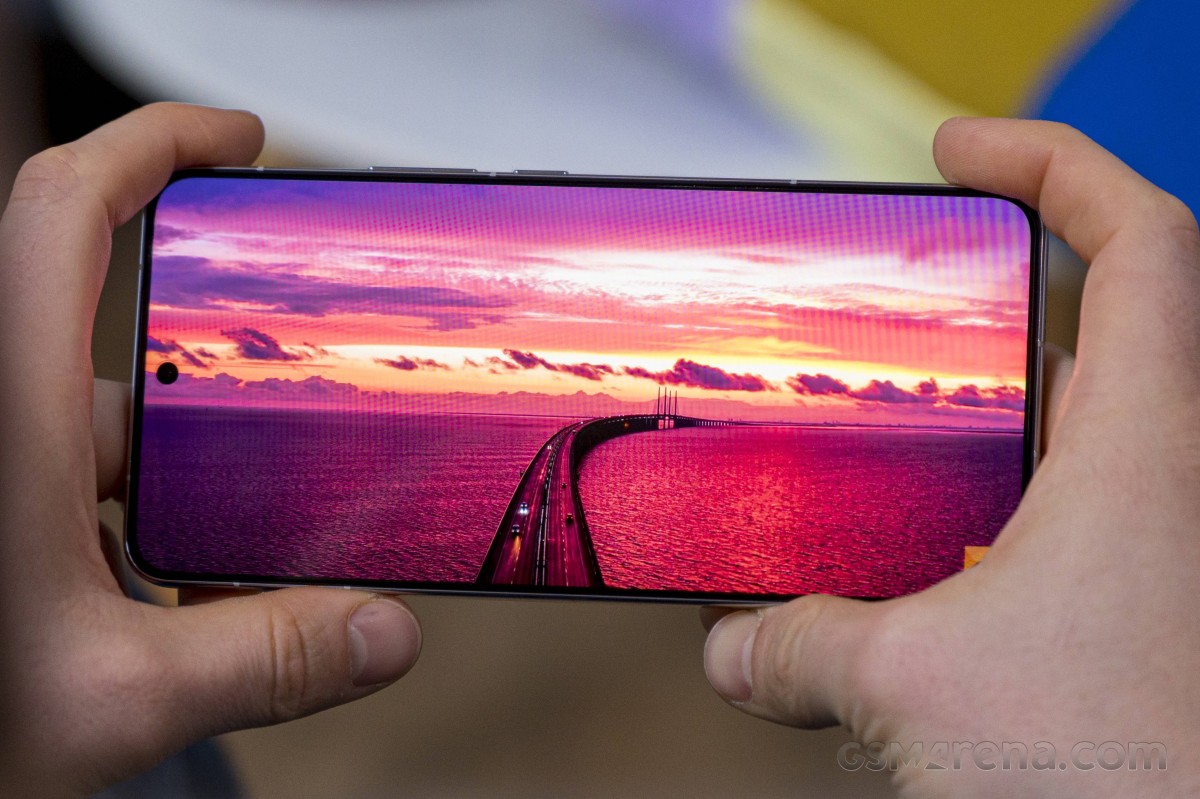
The panel is BOE's Q10 8T LTPO OLED surrounded by extremely thin bezels. It looks really nice in person. It also boasts OLED Circular Polarization tech that reduces the reflectiveness of the panel ensuring better viewing experience outdoors.


iQOO 13
Off to the tests. The display's maximum manual brightness reaches 515 nits, which isn't very impressive, but we measured 1,804 nits brightness boost and that's pretty good. It's more than enough for comfortable outdoor use, even on the brightest of sunny days.
Max display brightness test
White test pattern, 75% fill (nits)
- Manual mode
- Auto mode
 Realme GT 7 Pro
 vivo X200 Pro
 ROG Phone 9 Pro
 iQOO 13
 iQOO 12
 Oppo Find X8
Refresh rate
The phone offers three refresh rate modes - Auto, High and Standard. The Standard limits it to 60, while Auto and High can go up to 120Hz, but the latter allows you to force 144Hz in apps of your choice.
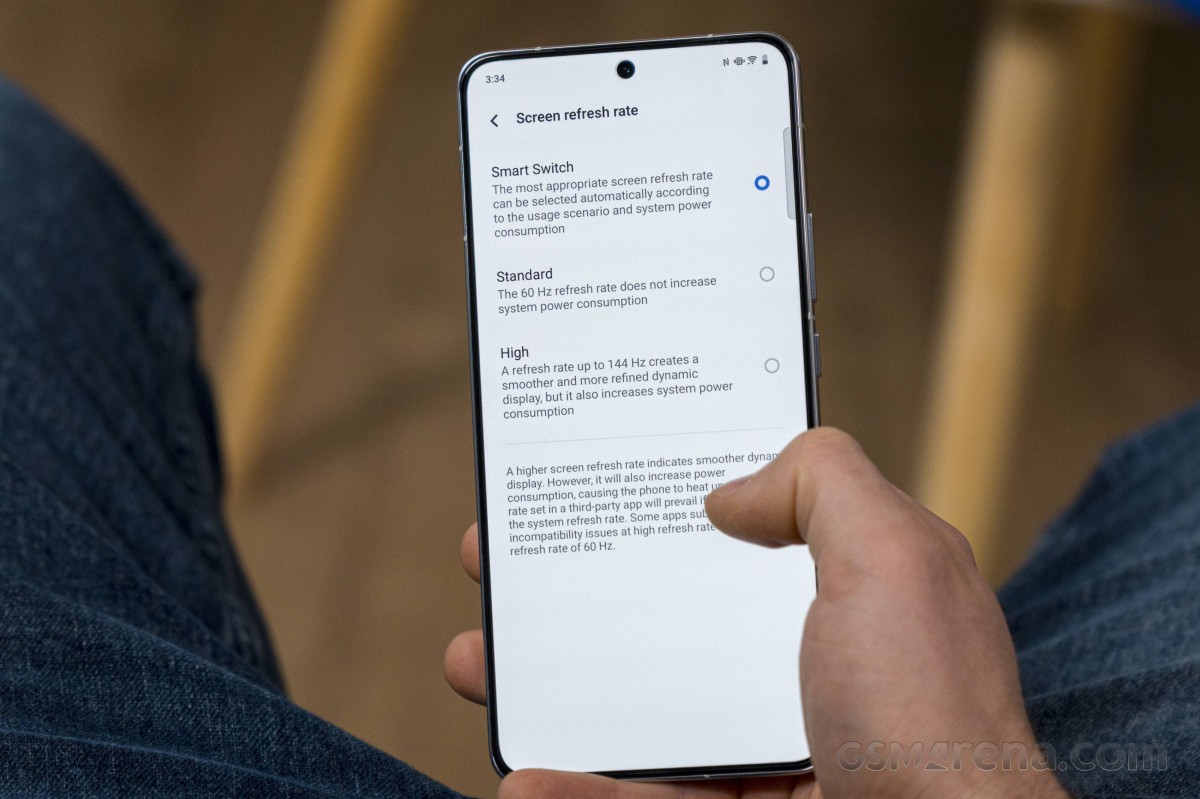
It's recommended that you use Auto and let the system dial down the refresh rate to 1Hz in certain scenarios. If you are not interacting with the screen, it will dial down to 1Hz. However, we found that Google Chrome, for example, is limited to 90Hz in this mode, while in YouTube, the system doesn't take advantage of the LTPO's capabilities. For instance, 24fps and 30fps videos will all play at 60Hz.
Battery life
The iQOO 13 is fitted with either 6,150 mAh or 6,000mAh battery.
The review unit we had for testing was the 6,000 mAh one and battery life turned out great.
Similarly to the Realme GT 7 Pro, which also scored an excellent battery endurance result, the iQOO 13 showed exceptional endurance in all scenarios - call, web browsing, online video streaming and gaming. We are particularly impressed by the gaming runtime. It seems like Qualcomm put together an extremely energy-efficient SoC.
The jump in battery endurance compared to the previous generation iQOO 13 can't be attributed to the battery capacity alone. Perhaps the next-generation LTPO OLED from BOE plays a key role as well.

 Realme
GT 7 Pro
6500 mAh
AsusROG Phone 9 Pro
5800 mAh
OppoFind X8
5630 mAh
 vivo
vivoX100 Pro
5400 mAh
vivoiQOO 12
5000 mAh
Charging speed
Charging hasn't changed compared to the iQOO 12 and the phone relies on vivo's proprietary FlashCharge tech. In this case, the handset supports up to 120W wired charging, but due to the battery capacity increase, charging times have gone up. But only by a couple of minutes.
The iQOO 13 is still one of the fastest-charging devices in its class, completing a full cycle at a little over 30 minutes.
Charging speed
- in 15 min
- in 30 min
- Time to full charge (from 0%)
iQOO 12Realme GT 7 ProiQOO 13vivo X200 ProOppo Find X8For those of you worried about wear and tear, iQOO provides a toggle for fast charging. You can disable it and turn on Optimized battery charging, which protects the battery from overcharging and learns from your habits. It will turn on fast charging only when necessary.
The Chinese version of the phone running on OriginOS has one additional feature called Bypass Charging, which turns off battery charging when using the phone while plugged in. This feature protects the battery during long gaming sessions on the cable and we hope to see it in the global version running Funtouch OS.
Speakers
The iQOO 13 comes with a pair of hybrid stereo speakers - a main one positioned at the bottom and one that doubles as an earpiece.
Loudness has improved significantly and the handset now has one of the loudest speakers around, earning an "Excellent" -23.8 LUFS loudness score.
We are impressed with the quality as well. Tracks sound rich and full, with plenty of bass and clear enough vocals. There's a little bit of ringing at maximum volume level, though.
 vivo
vivoiQOO 13-23.8 LUFSVery goodloudness score
OppoFind X8-24.0 LUFSVery goodloudness score❌︎
RealmeGT 7 Pro-25.3 LUFSVery goodloudness score❌︎
vivoX200 Pro-24.3 LUFSVery goodloudness score❌︎
Use the Playback controls to listen to the phone sample recordings (best use headphones). We measure the average loudness of the speakers in LUFS. A lower absolute value means a louder sound. A look at the frequency response chart will tell you how far off the ideal "0db" flat line is the reproduction of the bass, treble, and mid frequencies. You can add more phones to compare how they differ. The scores and ratings are not comparable with our older loudspeaker test.
Funtouch 15 on top of Android 15
The iQOO 13 comes with Funtouch 15 out of the box, based on Android 15. It's important to note that we are reviewing a pre-release version of the software, so some features may be missing. For instance, There's no way to control and customize that.
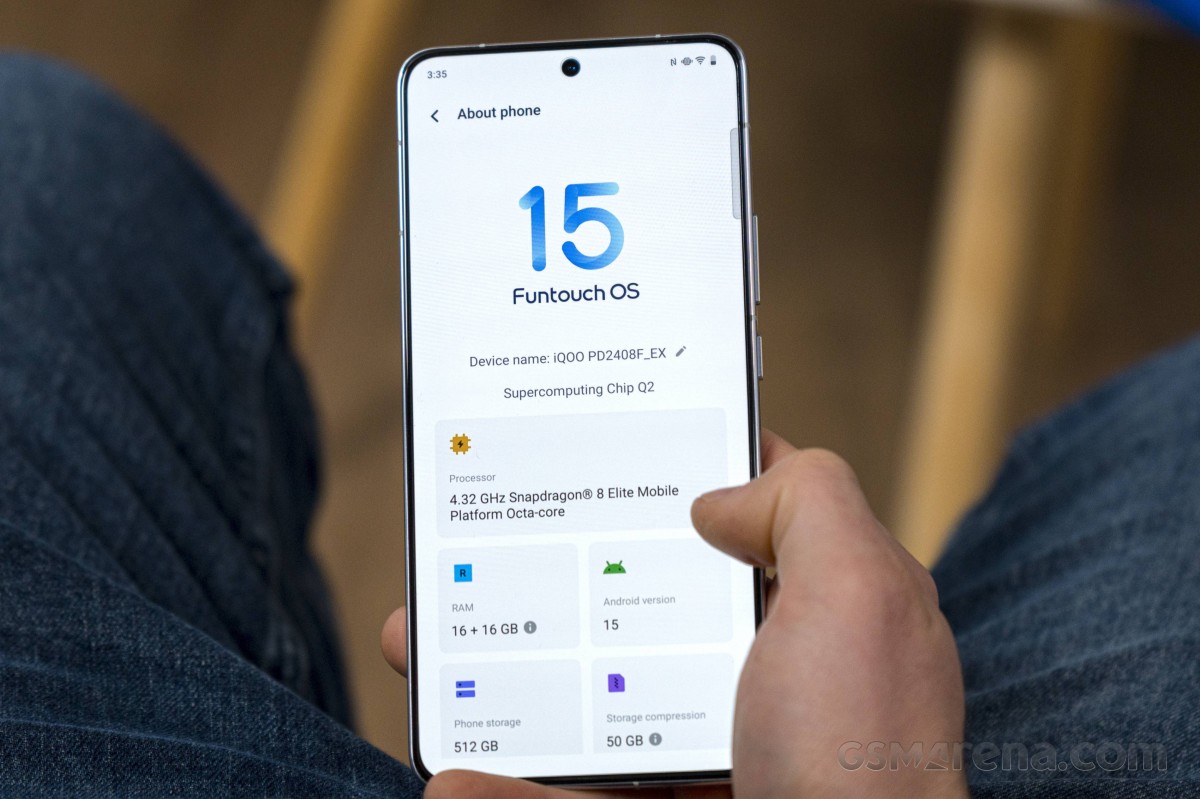
The company promises 4 major Android OS updates and 5 years of security patches. That's a fairly lengthy commitment that would ensure the device stays relevant for years to come.
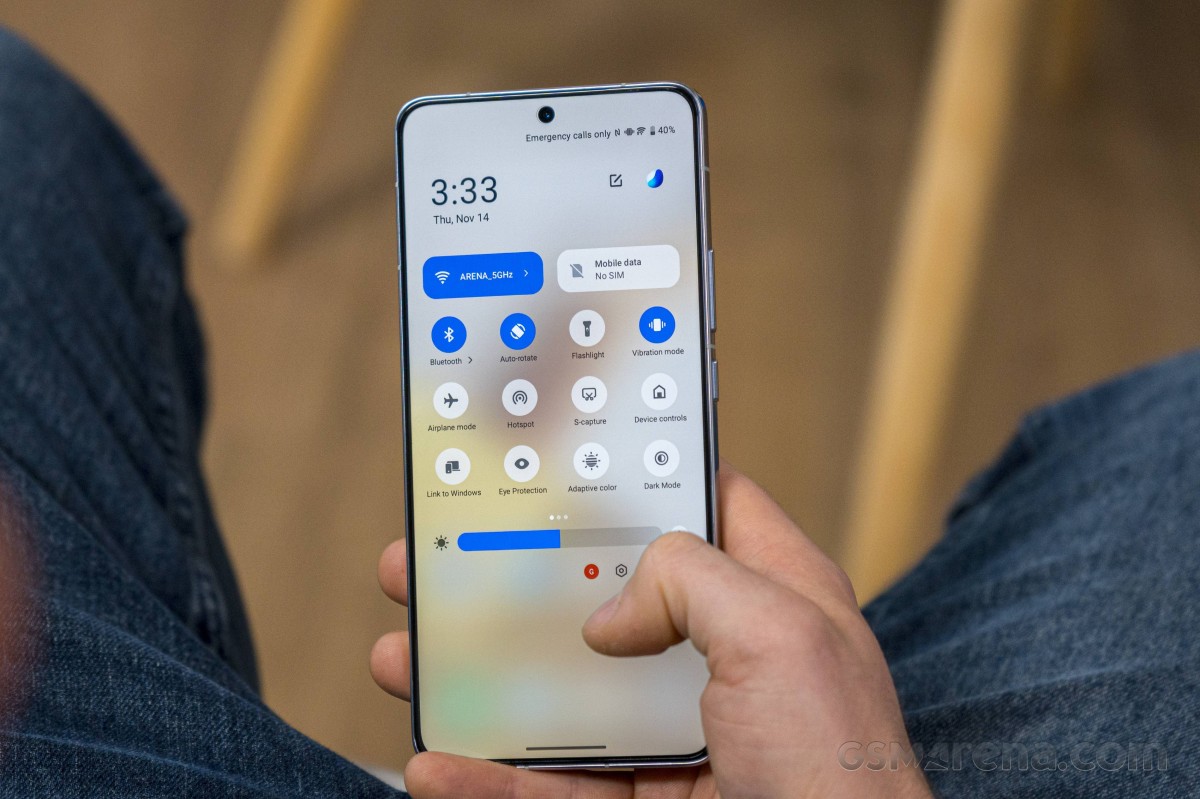
Appearance-wise, there aren't many changes in Funtouch 15 over version 14. If you used Funtouch so far, you will feel right at home.
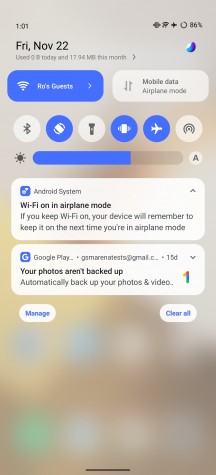
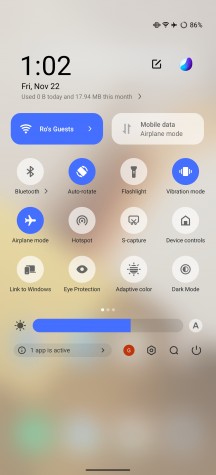
Funtouch 15
We couldn't find many new features either. Aside from some under-the-hood performance improvements by leveraging AI algorithms and improved search in the settings menu, there's not much to talk about.
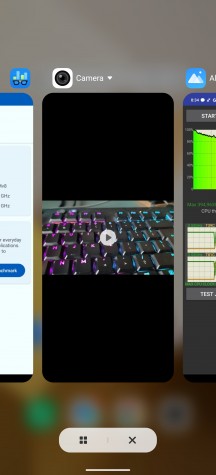
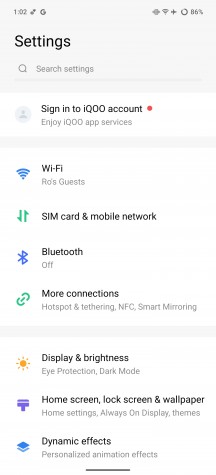
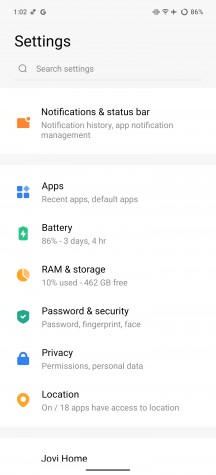
Funtouch 15
iQOO did add a Live Transcribe feature that transcribes speech in real time. You can even be notified when someone says your name during a meeting. It's pretty neat. The default Gallery app also supports AI Erase and AI Enhancements of photos. The former allows you to remove objects from the scene, while the latter boosts certain properties of the image to achieve a more likable post-processing. None of these are unique to the iQOO 13, though.
Of course, the handset offers the Circle to Search feature that recently became available to non-Samsung and Google phones.
We suspect that more features are on their way, some of which are AI-powered, but for now, Funtouch 15 doesn't seem to be much different from Funtouch 14, specifically on iQOO devices. Hence why, we recommend reading the software section of our iQOO 12 review to get a good idea of what Funtouch is as a whole.
Benchmark performance
The iQOO 13 is one of the first smartphones we encounter with a Snapdragon 8 Elite chipset inside - Qualcomm's latest isn't simply another in the long line of incremental improvements, but rather an all-new custom design (as opposed to being ARM-based like the previous generations). The 3nm chip with in-house cores and super-high CPU frequencies takes on Mediatek with their latest Dimensity's all-big-core approach in what is looking like the most exciting generation of Android silicon in a while.
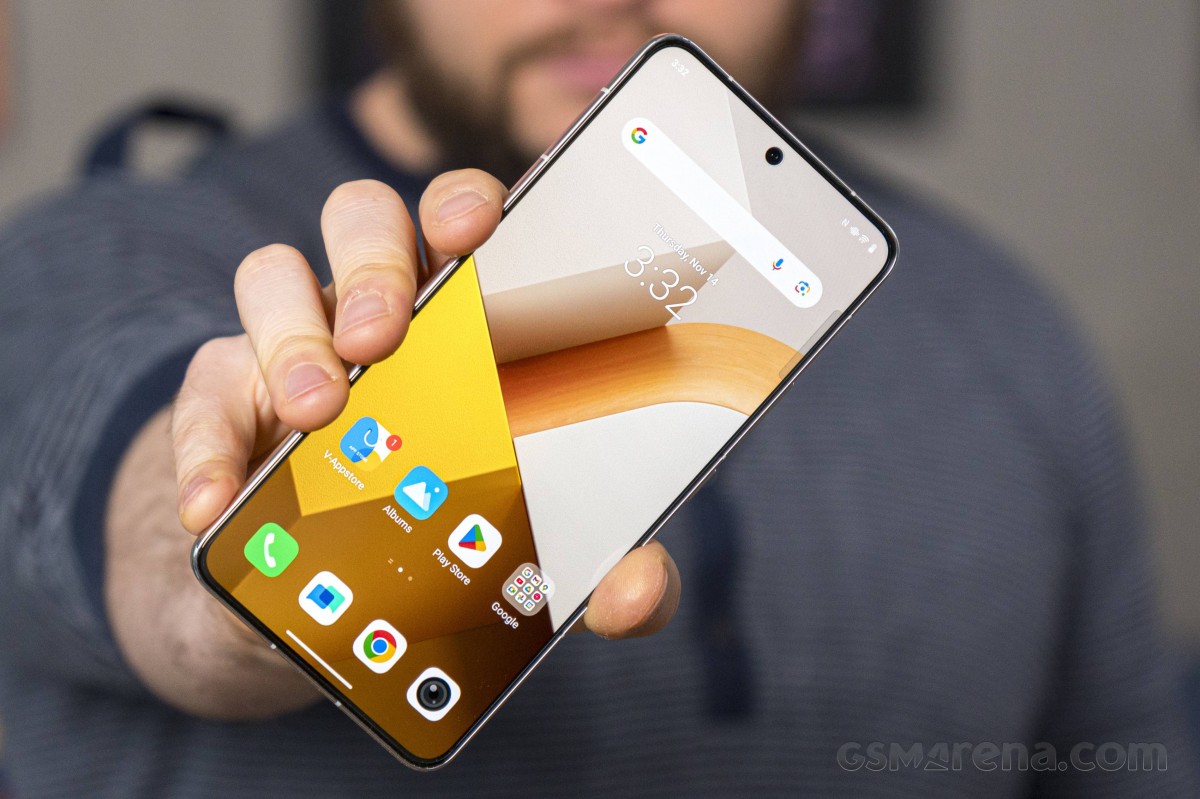
The Elite uses Oryon cores, two versions of them - two Prime cores and six Performance cores. These aren't Cortex cores like in MediaTek and Samsung chipsets, but a Qualcomm design. The two Prime Oryon V2 Phoenix L cores run at up to 4.32GHz, which is an insane speed for a pocketable device and are joined by by 6x Oryon V2 Phoenix M, ticking at 3.53 GHz.
On the GPU front, there's the Adreno 830, built on a new architecture using a sliced design with dedicated memory for each slice. The 830 has three of these slices clocked at up to 1.1GHz.
In addition to the Snapdragon 8 Elite, iQOO is including a Supercomputing Q2 chip - an upgrade over the Supercomputing Q1 chip found in the iQOO 12. The chip's sole purpose is to enhance gaming capabilities and reduce power consumption. It handles upscaling in games to achieve super-resolution with PUBG and Genshin supporting up to QHD resolution and boosts the frame rate, and keeps it stable, during gaming. If the game is supported, it can match the game's frame rate with the display's refresh rate to reduce stuttering.
The international variant comes in just two memory configurations - 12GB/256GB and 16GB/512GB. The company says the device is equipped with UFS 4.1 chips, but the UFS 4.1 capabilities on the 12GB/256GB configuration will be made available via a future OTA update. It's perhaps worth noting that the difference between UFS 4.0 and 4.1 isn't read/write speeds, it's about other optimizations such as efficiency, thermal performance and latency..
Now off to the benchmarks.
GeekBench 6
- Multi-core
- Single-core
ROG Phone 9/9 Pro (X Mode+)ROG Phone 9/9 ProiQOO 13Realme GT 7 ProOppo Find X8vivo X200 Pro iPhone 16 Pro Max
AnTuTu 10
ROG Phone 9/9 Pro (X Mode+)ROG Phone 9/9 Provivo X200 ProiQOO 13Oppo Find X8Realme GT 7 ProiQOO 123DMark
- Wild Life Extreme (2160p)
- Solar Bay (1440p)
vivo X200 ProOppo Find X8iQOO 13Realme GT 7 ProROG Phone 9/9 Pro (X Mode+)ROG Phone 9/9 Pro Galaxy S24 Ultra
As you can see, the iQOO 13 is among the top performers with its Snapdragon 8 Elite SoC. The device performs as expected and shows slightly lower CPU performance compared to the Asus ROG Phone 9 Pro, which is to be expected.
Interestingly enough, the vivo X200 Pro with its Dimensity 9400 chip edges out the iQOO 13 and the Realme GT 7 Pro in combined scenarios such as AnTuTu 10. Meanwhile, a handful of devices overtake the iQOO 13 in GPU-intensive tasks like 3DMark's benchmarks, likely due to the higher resolution on iQOO's phone.
Sustained performance
To be honest, we were surprised by the thermal throttling results of the IQOO 13. The Snapdragon 8 Elite is an extremely powerful chipset; however, the iQOO 13 handles the thermals like a champ.
We are impressed by the sustained performance in the CPU throttling test as the device gradually toned down to around 80% of the CPU's theoretical performance and maintained it for the full 1-hour long stress test. The phone, on the other hand, got pretty hot on the outside.
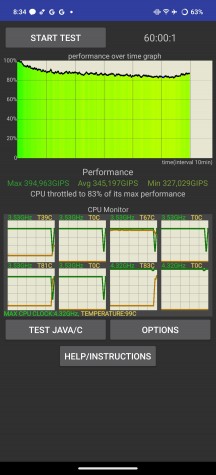
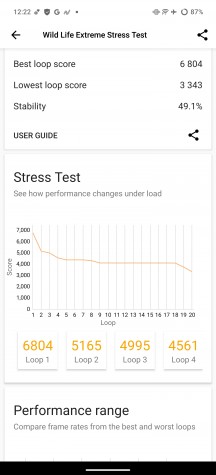
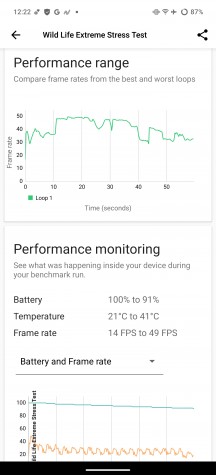
CPU and GPU stress tests
The GPU stress test didn't turn out so great, though. The 3DMark Wild Life Extreme Stress Test shows roughly 50% GPU stability, which isn't ideal.
Triple 50MP camera setup
The iQOO 13 is equipped with a triple 50MP camera setup on the back and a 32MP front-facing shooter for selfies. The camera hardware on the back matches the one on the vivo V40 Pro - exact same sensors and lenses.
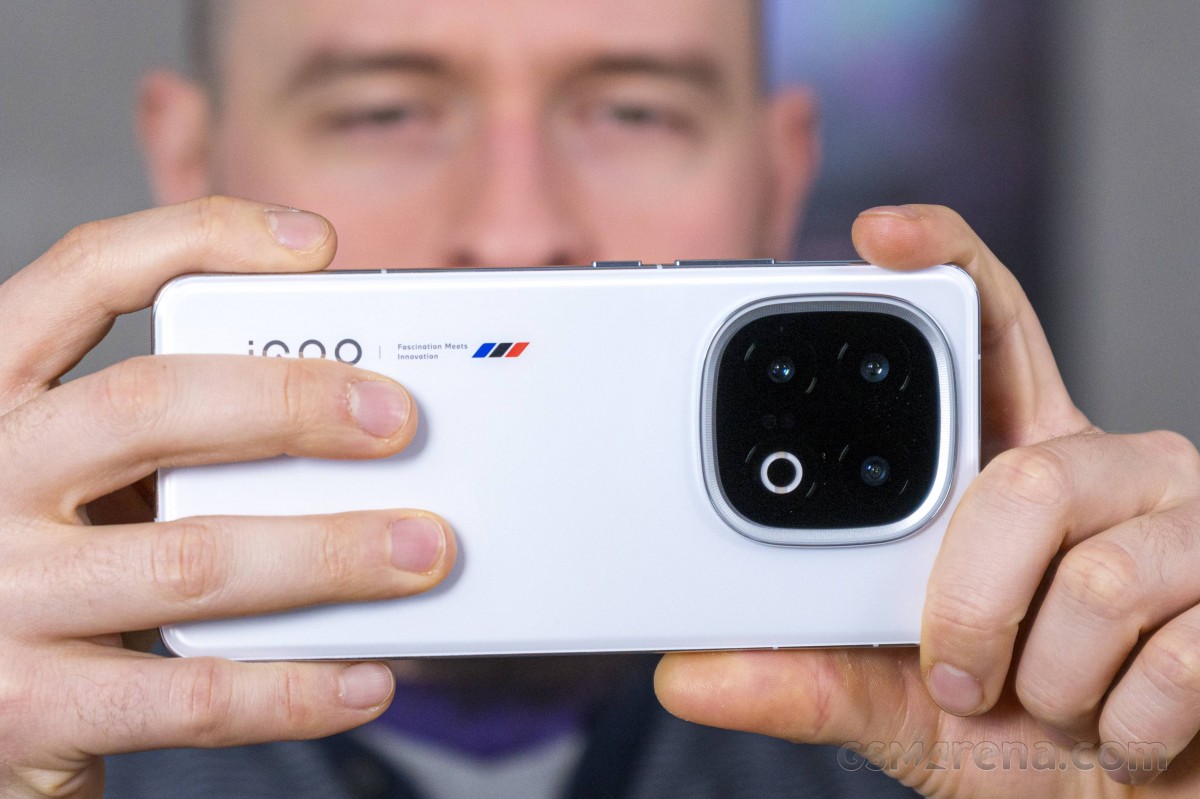
- Wide (main): 50 MP Sony IMX921 f/1.9, 24mm, 1/1.56", 1.0µm, PDAF, OIS; 4320p@30fps
- Ultra wide angle: 50 MP Samsung ISOCELL JN1, f/2.0, 15mm, 1/2.76", 0.64µm, autofocus; 2160p@60fps
- Telephoto: 50 MP Sony IMX816, f/1.85, 50mm, 1/2.51", 0.64µm, PDAF; 4320p@30fps.
- Front camera: Front camera: 32 MP Galaxycore GC32E1 / Hynix hi3231q, f/2.2, 1/3.1", 0.7µm; 2160p@30fps
It's worth noting that the iQOO 13 downgrades its zoom camera, in a sense. Last year's iQOO 12 had a bigger 64MP sensor coupled with a 3x periscope telephoto lens, which is now replaced by a smaller 50MP unit with 2x zoom.
Daylight photos
Main camera
It's perhaps no surprise that the iQOO 13 produces very similar-looking to the vivo V40 Pro photos. They share the same software and camera hardware and produce vibrant, sharp, somewhat detailed and with impressive dynamic range photos. The pictures taken with the main camera leave little to no room for complaints. It's very consistent when it comes to indoor photography as well.













Main camera samples
Maybe a future software update could improve how the camera resolves fine detail and foliage.
Here are a couple of portraits taken in the standard Photo and the dedicated Portrait modes.








Portraits: Photo mode • Portrait mode
The full-resolution 50MP mode is hard to recommend. Pictures look soft and have a limited dynamic range. There are obvious traces of upscaling too.






50MP main camera samples
2x zoom camera
The 2x zoom photos are excellent. We are even surprised that the foliage and fine details look better than on the main camera. Dynamic range is wide, color reproduction matches the one from the main camera and indoor samples look just as good.













2x zoom camera samples
Here are some 2x portrait samples.








2x zoom portraits: Photo mode • Portrait mode
4x crop zoom
The camera app provides a dedicated 4x toggle as well, which is a crop from the 2x zoom camera. We can't say the results are amazing, but for casual social media posting, they will do the trick.













4x crop zoom samples
They are noticeably softer than the 2x zoom samples, there's obvious color fringing in most shots and the dynamic range seems slightly narrower.
And here are the portraits.








4x portraits: Photo mode • Portrait mode
Ultrawide camera
The shots from the ultrawide camera look nice in the context of ultrawide cameras. Sharpness and detail are obviously not ideal compared to the main and zoom cameras, but this one gets pretty close to ideal. The lens distortion algorithm is doing a pretty good job; the dynamic range is wide, and the autofocus ensures sharp and detailed close-ups. The unit also maintains good performance indoors.












Ultrawide camera samples
Selfies
The selfies aren't bad, but we've seen sharper images from cheaper or similarly priced phones. Dynamic range is excellent, though, and the camera resolves plenty of detail. Colors need a little boost and so does contrast.






Selfies
Low-light photos
Main camera
Even if you don't shoot in the dedicated Night mode, the system applies it in the standard Photo mode whenever necessary. In our case, all of the scenes triggered the Night mode. The result is clean-looking images with plenty of detail, sharp subjects and wide dynamic range. Contrast is nice and colors are close to natural.






Main camera samples
Perhaps the algorithm goes a little bit too hard on the shadows. It overexposes them, which some people will like as the phone brings out more detail, but it also takes away the natural look of the scene. All in all, we find the shadows a bit too bright for our taste.
2x zoom camera
The 2x zoom samples are somewhat unimpressive. We've seen sharper and cleaner-looking photos from other 2x zoom cameras. This one seems to be lacking saturation and offers a more limited dynamic range compared to the main camera. The processing is quite different.






2x zoom camera samples
4x crop zoom
Since the 2x zoom photos aren't ideal, it's no surprise that the 4x crop zoom samples are muddy, lack detail and have a narrow dynamic range. It's hard to recommend using this mode at night.






4x crop zoom samples
Ultrawide camera
The ultrawide camera also struggles at night and we had higher hopes for it given the fairly large 50MP sensor. Samples are soft, lack fine detail and colors are noticeably muted, especially compared to the main camera. Dynamic range is wide, though, and noise is virtually non-existent.






Ultrawide camera samples
Video recording
The device supports up to 8K video recording at 30fps with its main and 2x zoom cameras, while the rest cap at 4K@60fps. Standard EIS is available on 4K videos, but advanced action camera-like stabilization is limited to 1080p@60fps.
The 4K video from the main camera has plenty of color, wide dynamic range, good contrast and is fairly detailed. We've seen sharper 4K footage from other phones, as this one is a bit fuzzy in some areas.
You can check out the playlist below, which includes multiple video samples.
Of course, the ultrawide footage is softer than the main cam, with slightly muted colors, lower contrast and a narrower dynamic range. Having said that, the ultrawide clip isn't necessarily bad in the context of ultrawide cameras.
The 2x zoom camera produces unimpressive footage that's softer than we would expect and with traces of color fringing. It also struggles to resolve fine details of subjects in the distance.
When it comes to the low-light performance of the main camera, we are pleasantly surprised. The video footage shows a wide dynamic range, well-contained light sources, decent sharpness, nice contrast and natural-looking colors. The noise is a bit more noticeable in the darker areas of the scene, but it's not enough to ruin the clip.
Competition
Indonesia, India and Thailand are IQOO's key markets and the iQOO 13 launches at 9,999,000 Indonesian Rupiah (around $630) today. At this price point, it has few competitors. There aren't many Snapdragon 8 Elite-powered devices out there, and even fewer are offered outside of China. Smartphones running Dimensity 9400 are few and far between, too, at least for now. But the iQOO 13 stands out with a competitive price tag.
The Realme GT 7 Pro (IDR 10,800,000 or $680) is a well-matched competitor, but the iQOO 13 edges it out with a more affordable price, a better camera system and slightly longer battery life. The Realme's screen is brighter and offers roughly the same fast charging experience. It all boils down to whether the camera performance is important to you and which OS you like better - Realme UI or Funtouch OS.
The Asus ROG Phone 9 and 9 Pro duo is another Snapdragon 8 Elite solution, but this is more of a gaming-centric offer. Both devices are very powerful but also quite a bit more expensive than the iQOO 13.

Realme GT 7 Pro • Asus ROG Phone 9 Pro • vivo X200 • Oppo Find X8
The OnePlus 13 is only available in China right now, but once it steps outside of the country, it will be a sensible alternative to the iQOO 13 with the potential to offer a better camera experience. The telephoto camera has a longer, 3x zoom.

Two more Dimensity 9400 alternatives, albeit more expensive, are the Oppo Find X8 (IDR 13,999,000 or $880) and the vivo X200 (IDR 11,375,000 or $720). The two have slower charging, and the Find X8's display isn't as bright as the iQOO's, but the extra few dozen bucks will give you a considerably better camera experience. And besides, the Dimensity 9400 SoC seems very competitive against the Snapdragon 8 Elite, so most users won't feel any difference.
Verdict
The iQOO 13 is a very competent all-rounder. It features an extremely powerful chipset, a good display, nice-sounding and loud stereo speakers, and a full set of cameras. All of this is wrapped in a premium and good-looking chassis. We are particularly impressed by the sustained performance. The handset handles high loads for long periods of time, suggesting it will do great in long gaming sessions too.
Fast charging and excellent battery life are also standout features. And although a fairly potent camera system, which performs well during the day, it leaves much to be desired from the 2x zoom and ultrawide cameras at night. This is where the competition delivers.
Pros
- Nice build, upgraded ingress protection to IP68/IP69.
- Exceptional battery life in all scenarios, fast charging.
- Most powerful chip on the market right now, excellent sustained performance.
- Loud and nice-sounding stereo speakers.
- Competent camera setup during the day.
- IR blaster, ultrasonic fingerprint reader, 360-degree NFC.
- 4 major Android upgrades and 5 years of security updates.
Cons
- Unimpressive nighttime performance from the secondary cameras.
- The zoom camera is only 2x.
| 256GB 12GB RAM | $ 590.19 |


No comments:
Post a Comment